How to read this
Most "best supplements for menopause" content is structured supplement-by-supplement: magnesium, then creatine, then ashwagandha, then collagen. That's a list, not a protocol. We've structured this guide by which problem you're trying to solve — the protocol leads, the products fall out of the protocol.
Every product mentioned is on the curated 21-product CollabCart shop. Every health claim is paired with a peer-reviewed citation in the references block at the foot of this page. Language discipline: "supports / may help / is associated with" — never "treats / cures / prevents".
The 3am-wake-up stack
The most-searched perimenopause query in Australia. You fall asleep fine, you wake at 3am wired, you can't get back to sleep. The mechanism: cortisol awakening + falling progesterone (a GABA-A agonist — when it drops, sleep architecture shifts)1.
Magnesium glycinate has the strongest sleep evidence in this profile. A 2021 systematic review of 3 RCTs showed sleep onset latency reduced by ~17 minutes vs placebo1. A 2024 RCT of magnesium bisglycinate in healthy adults with poor sleep showed a significant reduction in Insomnia Severity Index2. Form matters: oxide is the bargain-bin form your body absorbs the worst.
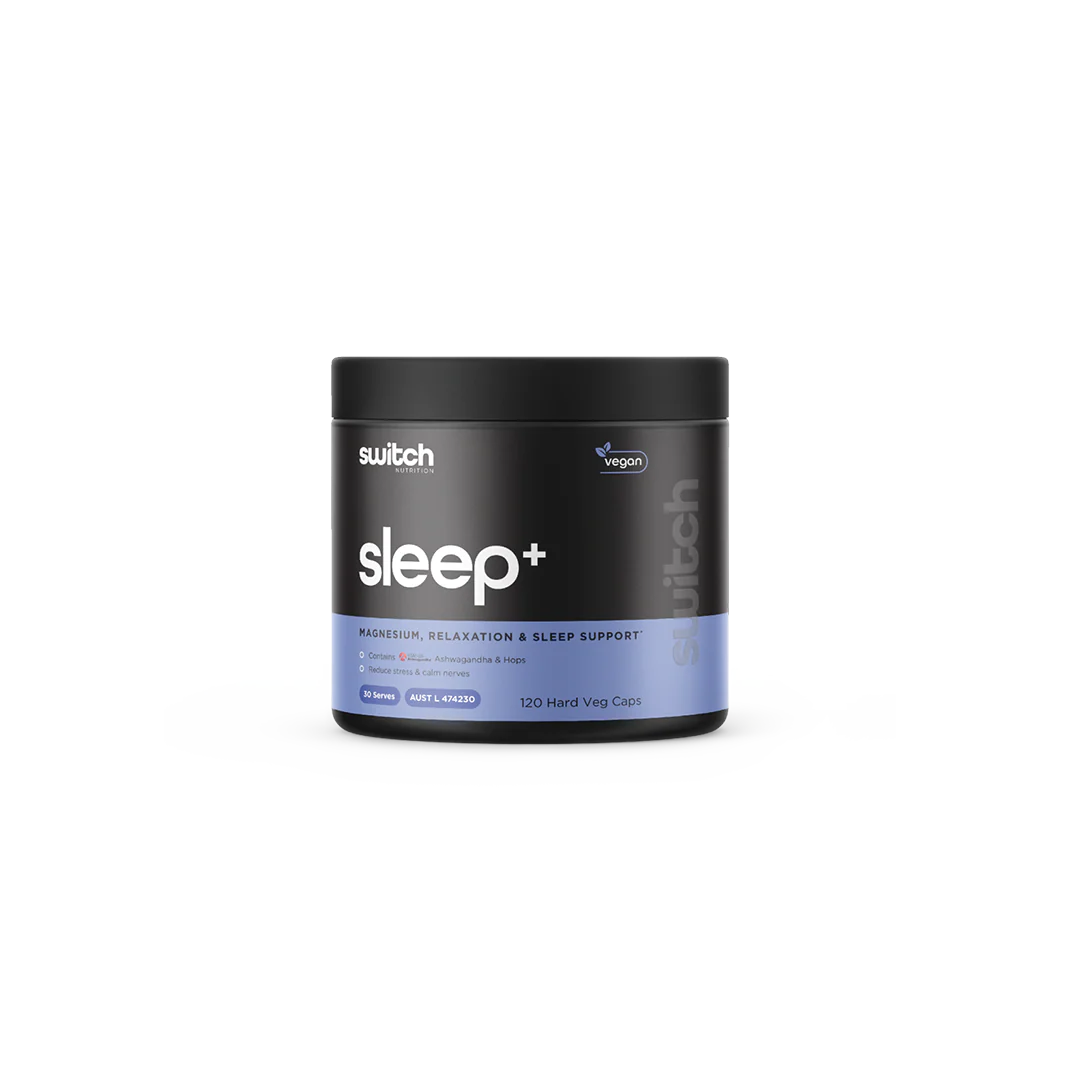
Sleep+ Capsules
A multi-action sleep stack: magnesium glycinate + KSM-66 ashwagandha + hops. Targets the cortisol awakening behind the 3am wake-up. Two capsules 30 minutes before bed.
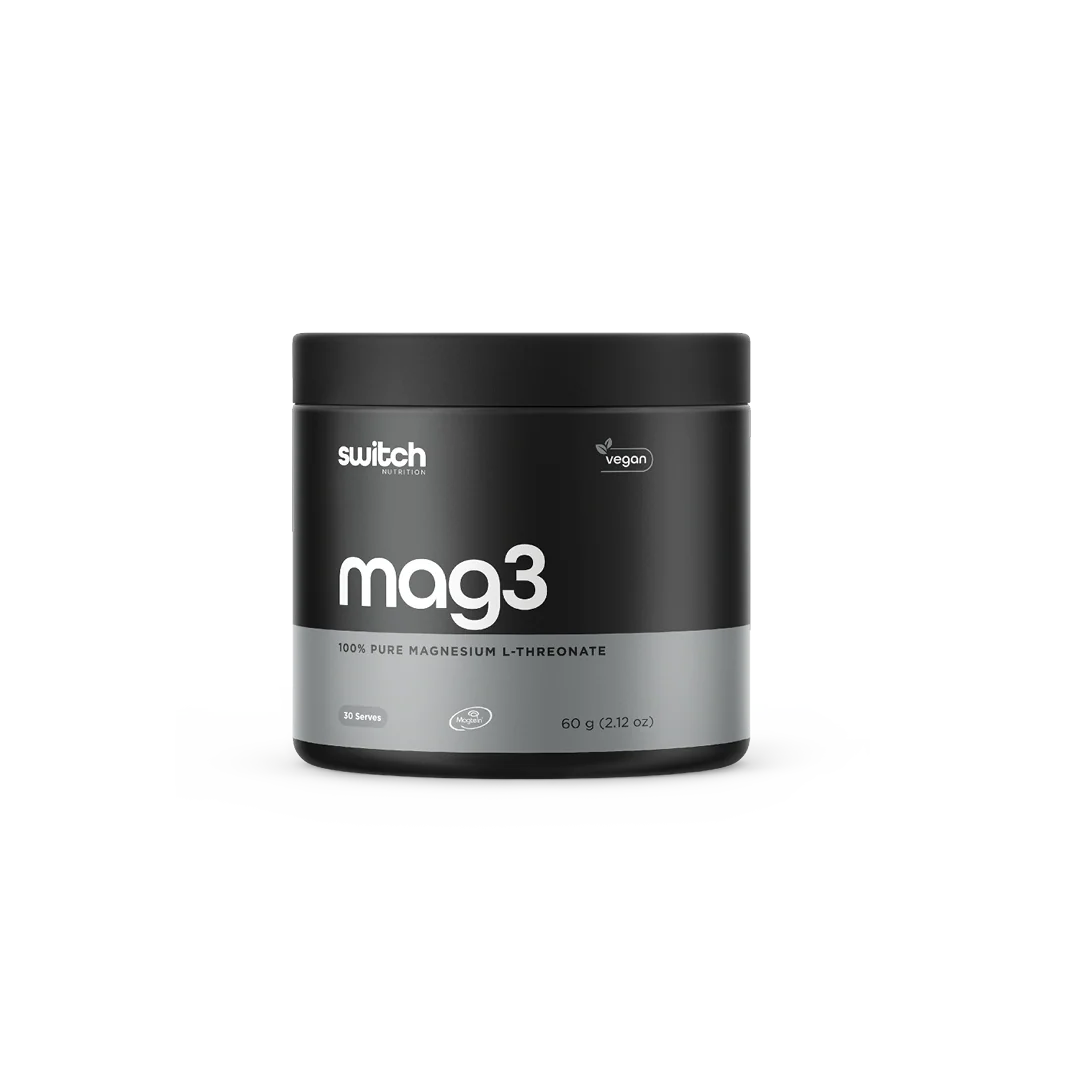
Mag3 (Magnesium L-Threonate)
Pure magnesium L-threonate — the form with the strongest research base for cognition and brain-fog support. Take in the evening.
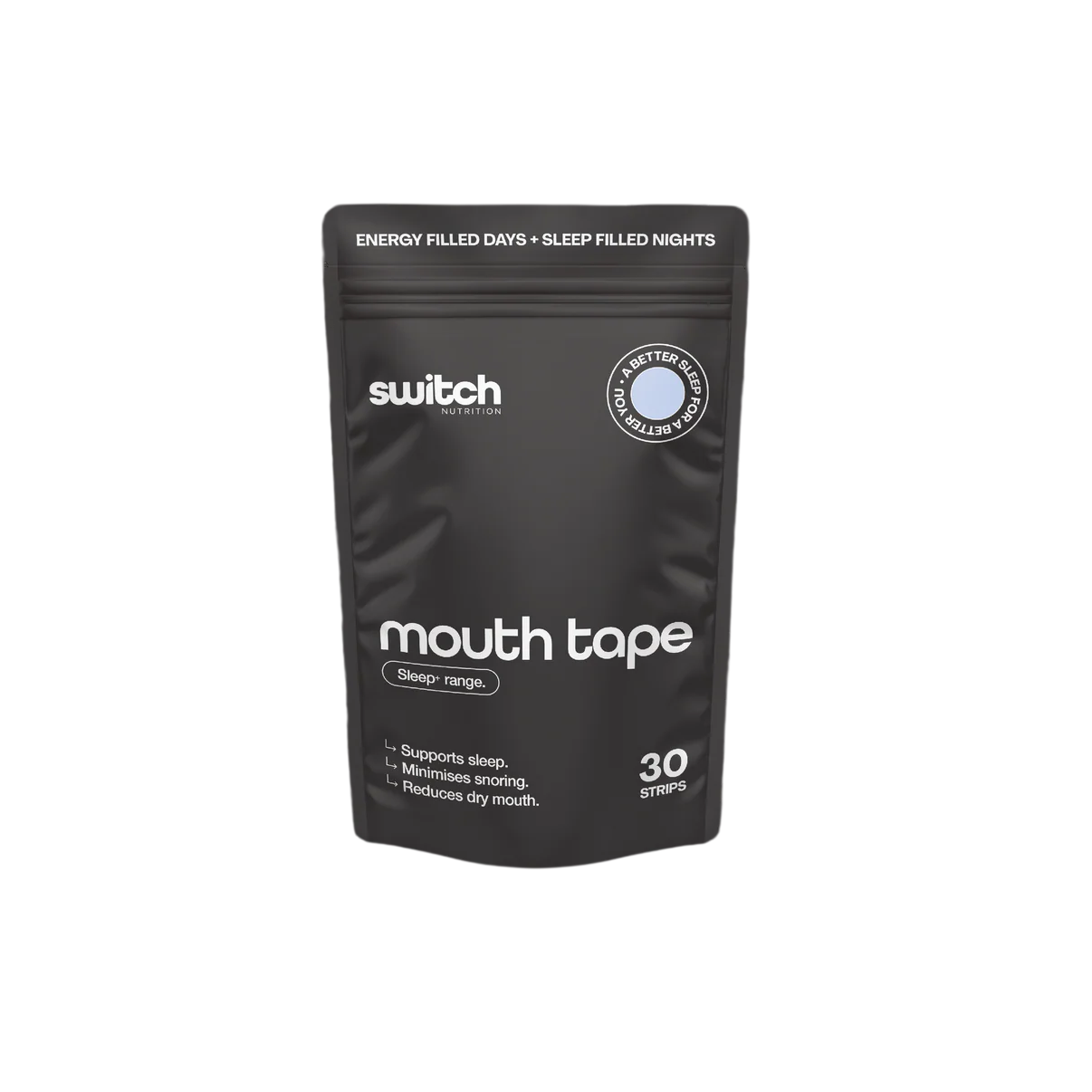
Sleep+ Mouth Tape
Single-use mouth tape designed to reduce mouth-breathing during sleep — a sleep-quality multiplier if your snore wakes you (or your partner) at 3am.
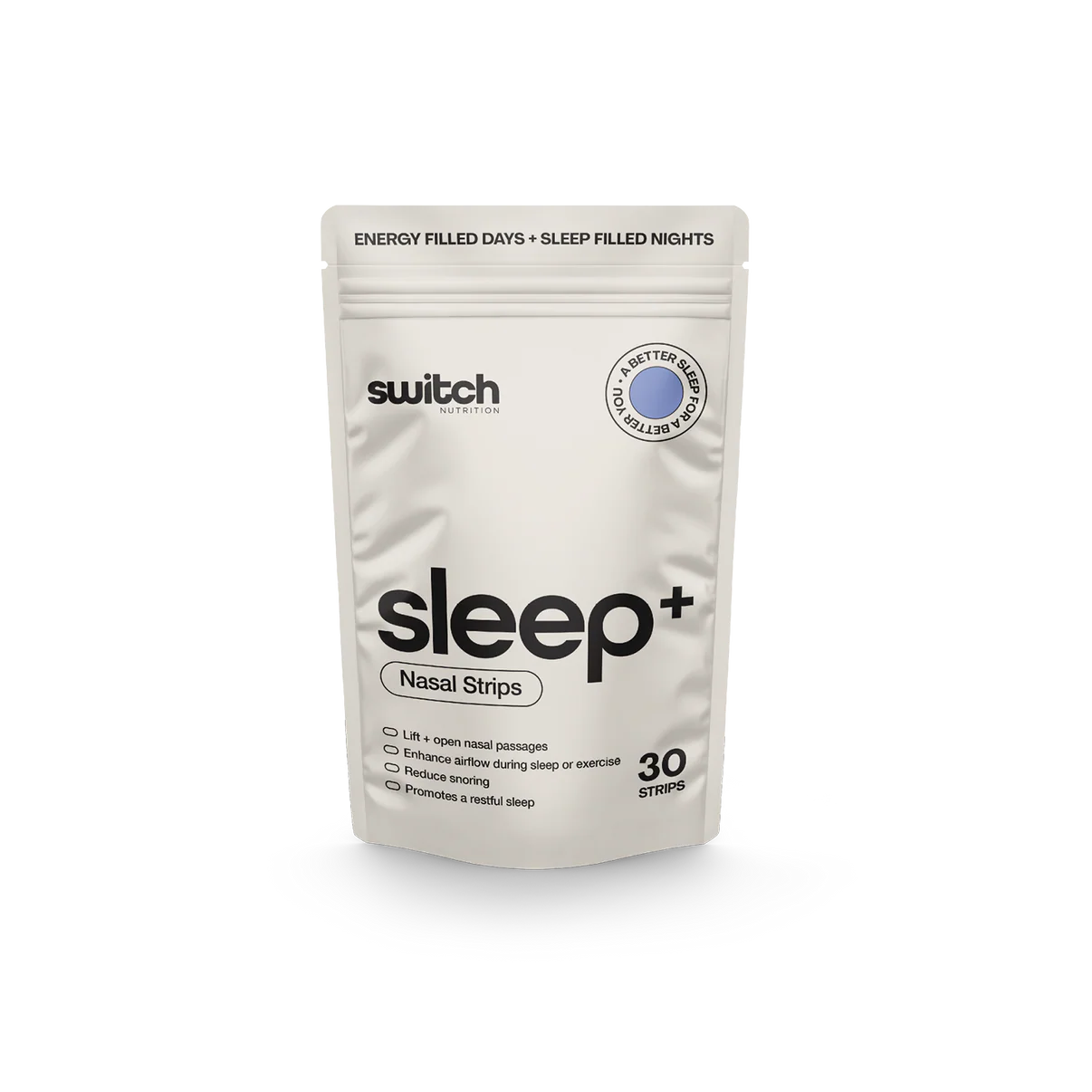
Sleep+ Nasal Strips
Single-use nasal strips that open the nasal passage for cleaner breathing through the night. Pair with the mouth tape for the full Switch sleep-airway protocol.
Take the magnesium 30 minutes before bed. Add the mouth tape if you snore or wake with a dry mouth. Add the nasal strips if you're a habitual mouth-breather. Read the full per-symptom protocol in why am I waking at 3am.
The brain-fog + cognition stack
The standout 2025 trial: CONCRET-MENOPA (Journal of the American Nutrition Association) randomised 36 perimenopausal and menopausal women to creatine HCL 1,500 mg/day, 750 mg/day, an HCL+ester combination, or placebo for 8 weeks3. The 1,500 mg dose improved reaction time, frontal-brain creatine levels, and serum lipid profile, with reduced mood-swing severity. A separate 2025 trial by Hall et al. associated creatine + resistance training with sleep-quality improvements specifically in perimenopausal women4.
Translation: creatine is no longer a "men in the gym" supplement. The evidence base for women in midlife has stepped up dramatically in the last 24 months.
Creapure (Creatine Monohydrate)
Pharmaceutical-grade Creapure® creatine monohydrate — the same active that the CONCRET-MENOPA trial associated with brain-creatine and reaction-time gains in perimenopausal women. 5 g daily.
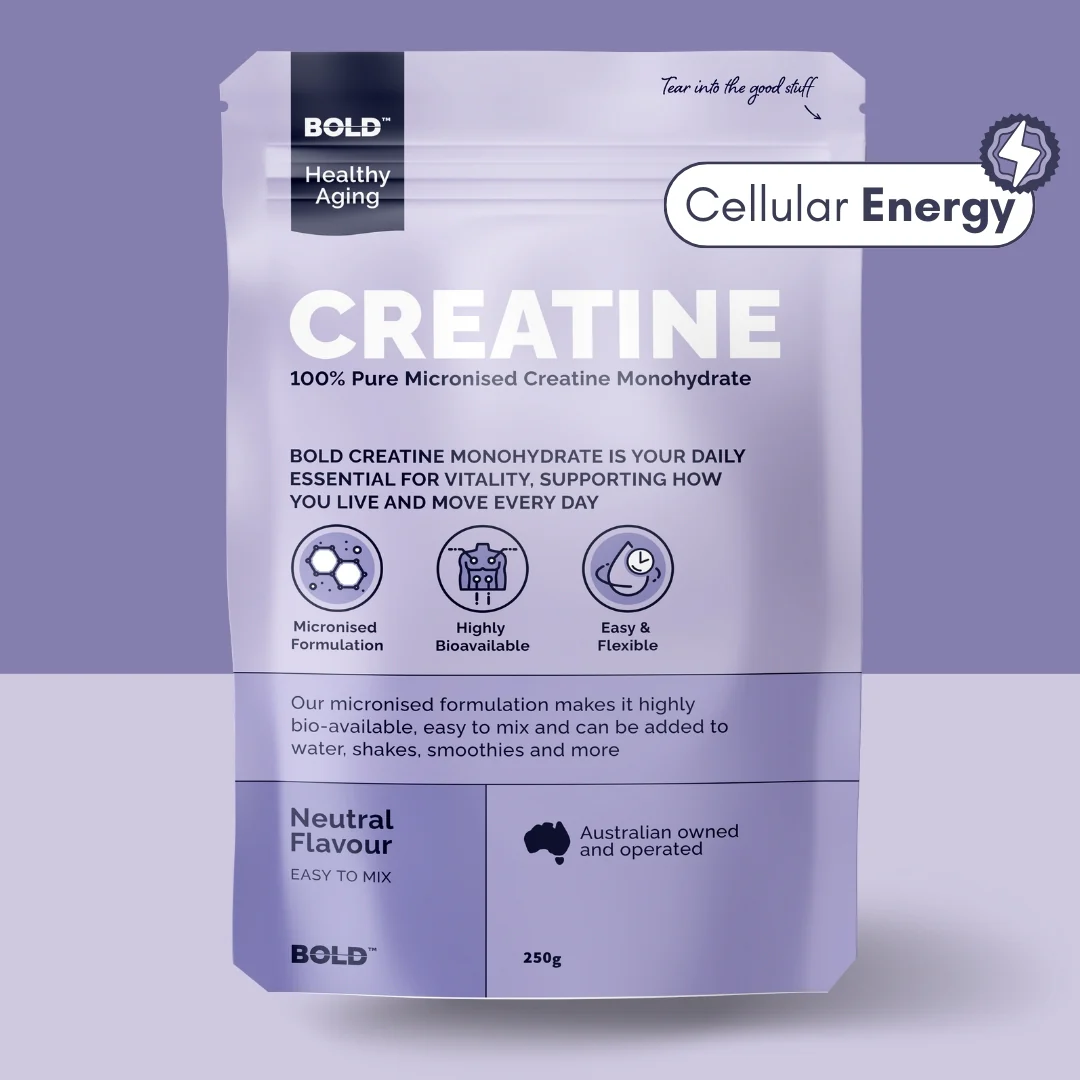
Bold Creatine
100% pure micronised creatine monohydrate. Same active as the premium picks at a budget price. 5 g daily, no loading needed.
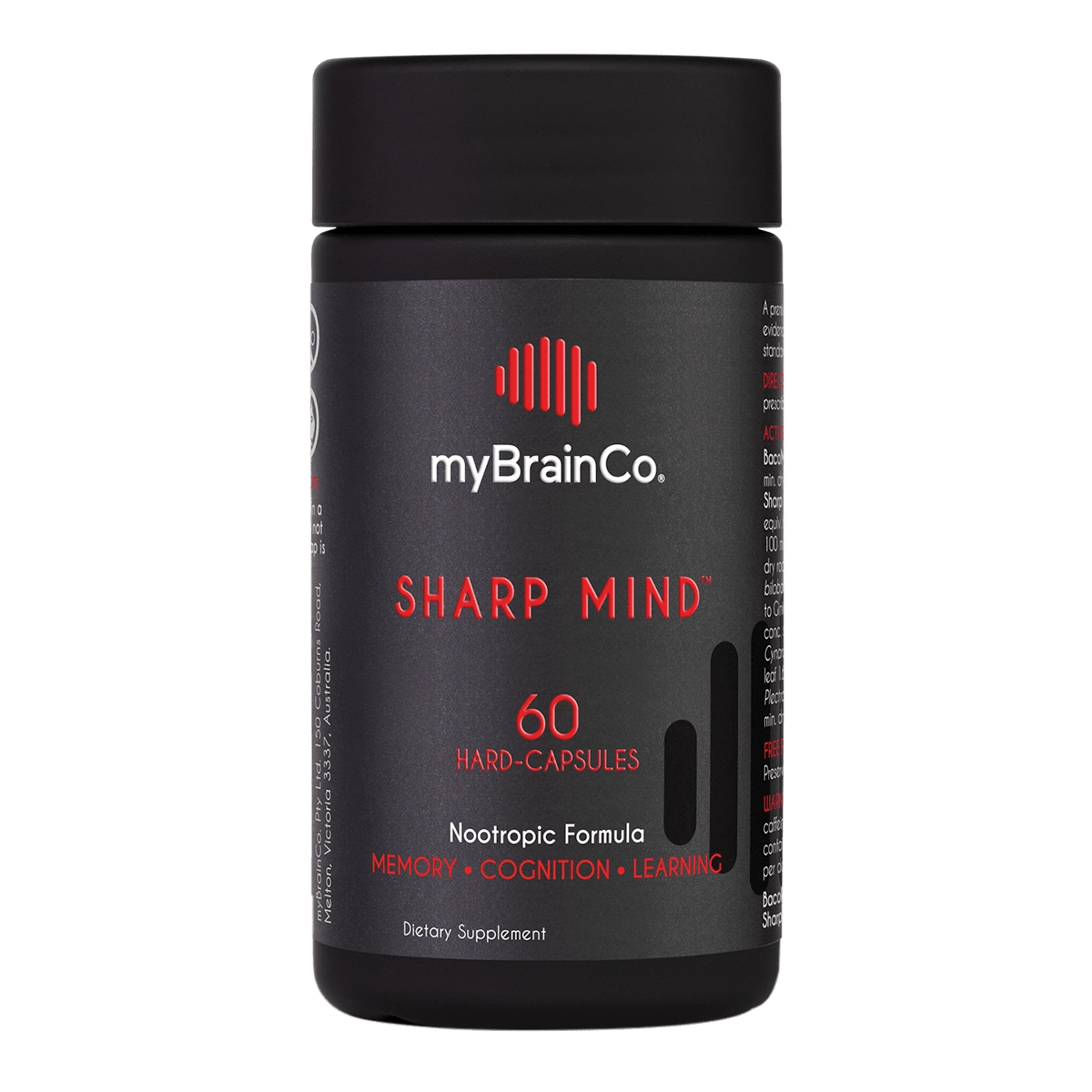
Sharp Mind
A nootropic blend with bacopa, sharpps, rhodiola and ginkgo biloba — formulated to support focus, memory and the kind of mental clarity that goes wobbly in perimenopause. One capsule with breakfast.
Add the L-threonate-form magnesium (Switch Mag3) for evening cognition support, plus an EPA/DHA omega-3 (below). Full deep-dive at creatine for women in 40s.
The hormone-aware stack
This is where TGA discipline matters most. Banned phrases on this site include "balance your hormones" — meaningless on the science and TGA-restricted in advertising. Allowed phrases: "DIM has been studied for oestrogen metabolism via the 2-hydroxyestrone pathway"; "may support healthy oestrogen metabolism"; "traditionally used for".
DIM (diindolylmethane) — a compound found in cruciferous vegetables — has mechanistic evidence for shifting oestrogen metabolism toward the 2-hydroxyestrone pathway. Inositol's strongest evidence base is in PCOS and insulin resistance, not perimenopause specifically — we feature it for the metabolic-overlap angle. Estro is Switch Nutrition's most explicitly perimenopause-positioned blend.
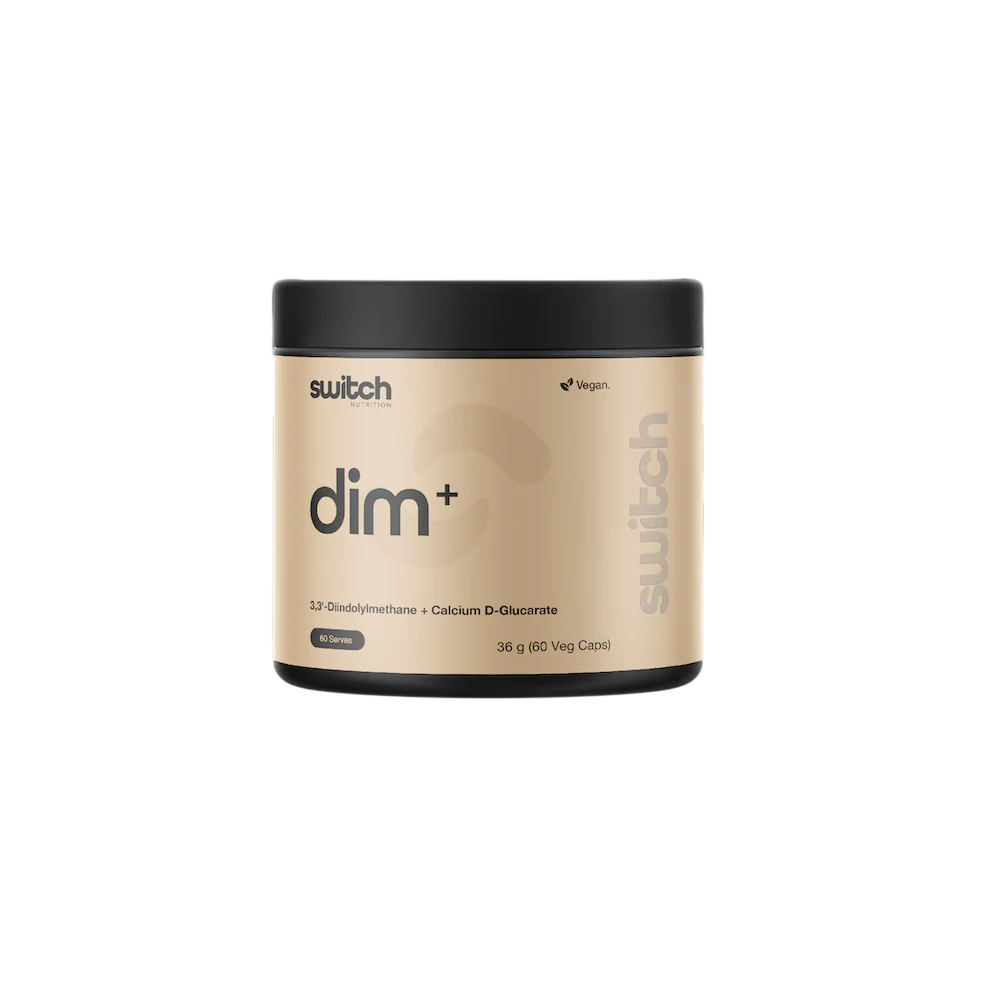
DIM
Diindolylmethane (DIM) — a compound from cruciferous vegetables that has been studied for oestrogen metabolism via the 2-hydroxyestrone pathway. 1–3 capsules daily with food.
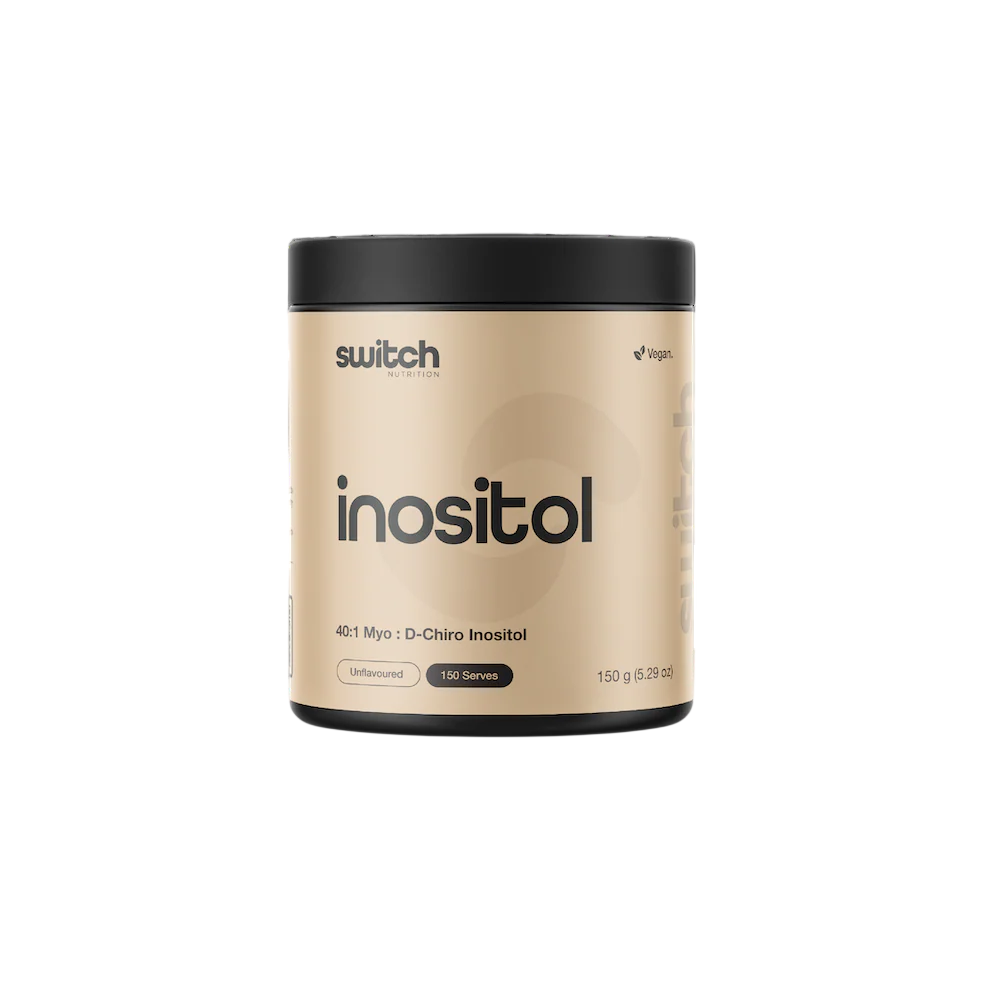
Inositol
A 40:1 myo-inositol to D-chiro-inositol powder — the ratio with the strongest research base for insulin and metabolic support in women. 2 g daily mixed in water.
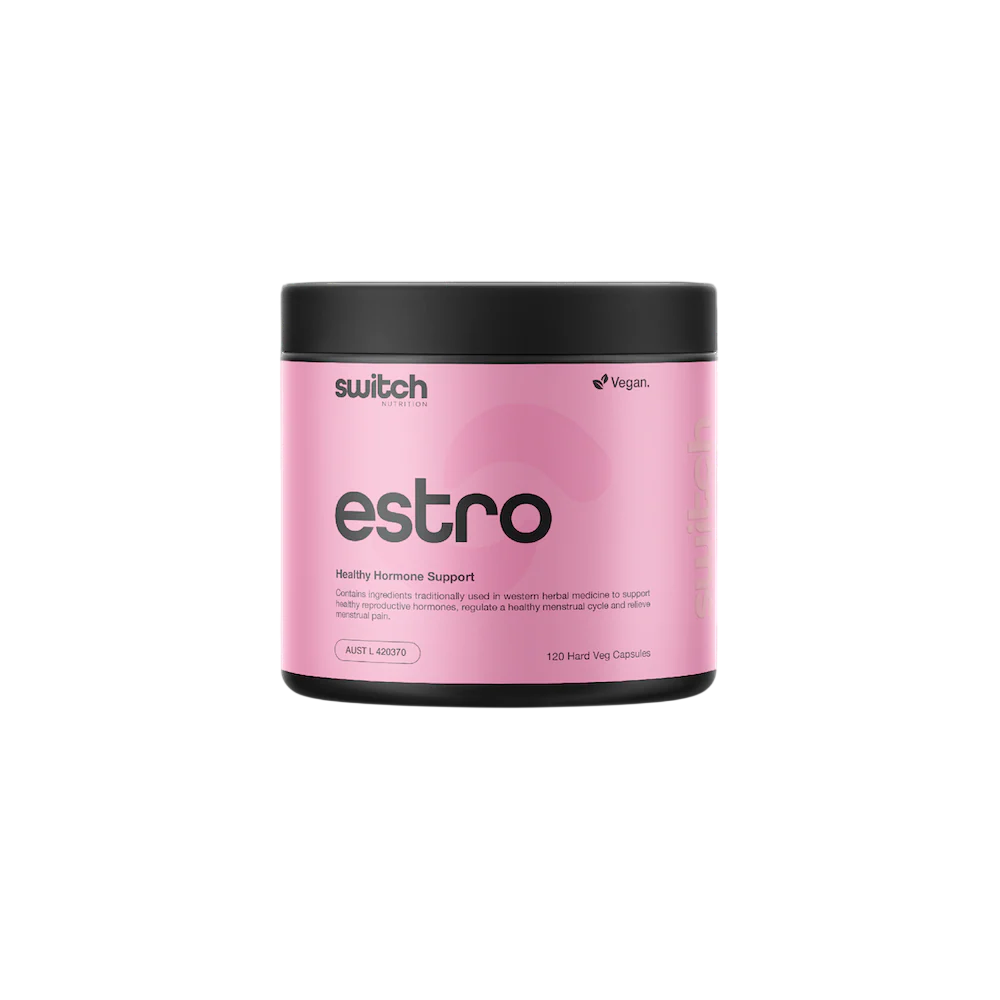
Estro
Switch's perimenopause anchor — a multi-ingredient blend formulated to support oestrogen metabolism and the symptom cluster women in perimenopause talk about most. One scoop daily.
Adaptogens sit alongside this tier — ashwagandha has the strongest cortisol-and-stress evidence of any adaptogen, with multiple RCTs at 240–600 mg/day showing reductions in perceived stress and morning cortisol5.
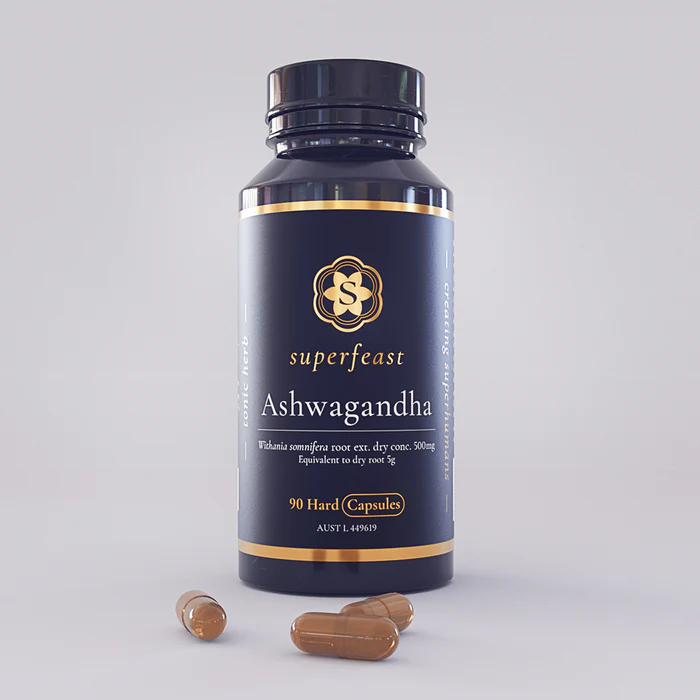
Ashwagandha Capsules
Premium 10:1 ashwagandha extract from sustainably sourced North Indian withania root. Traditionally used to support a sense of calm and reduce perceived stress.
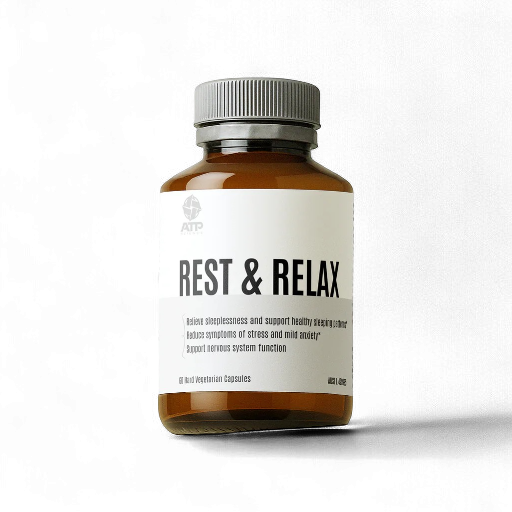
Rest and Relax
A KSM-66 ashwagandha + ziziphus + passion-flower blend studied for stress, sleep onset, and the 3am wake-up. One capsule in the evening as needed.
The joint-pain + anti-inflammation stack
Joint pain is symptom #7 in our top-12 ranked list — oestrogen receptors in joint cartilage make this a mechanism-explained shift, not a "you're imagining it" complaint. Curcumin has reasonable evidence for joint pain and systemic inflammation. Hydrolysed marine collagen at 10–15 g/day has supportive RCT evidence for skin elasticity and joint pain. EPA/DHA omega-3 is the clinical-grade anti-inflammatory.
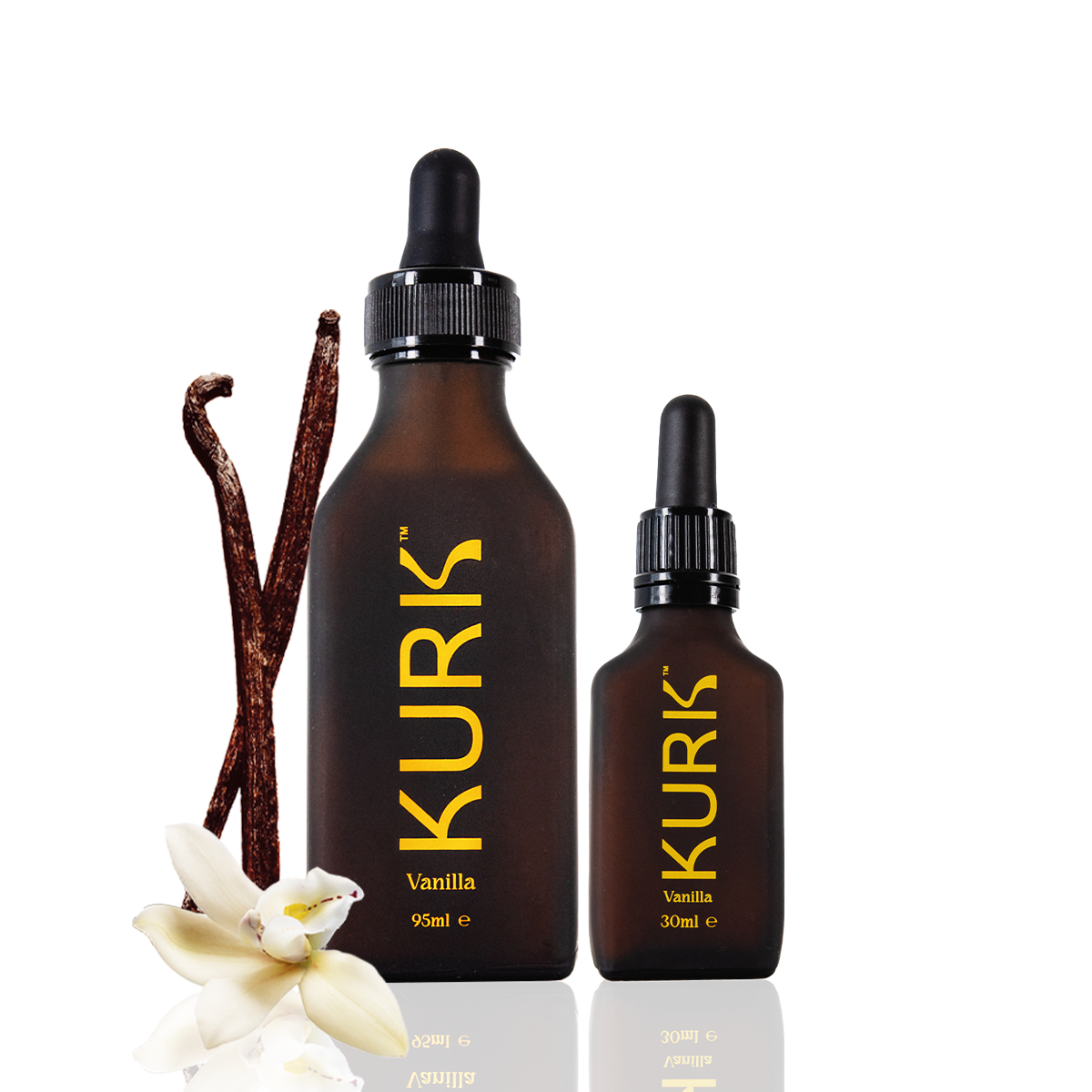
Liquid Curcumin
A bioavailable liquid curcumin formulation studied for joint pain and systemic inflammation — the joint angle that becomes increasingly relevant in perimenopause. Two pumps daily.
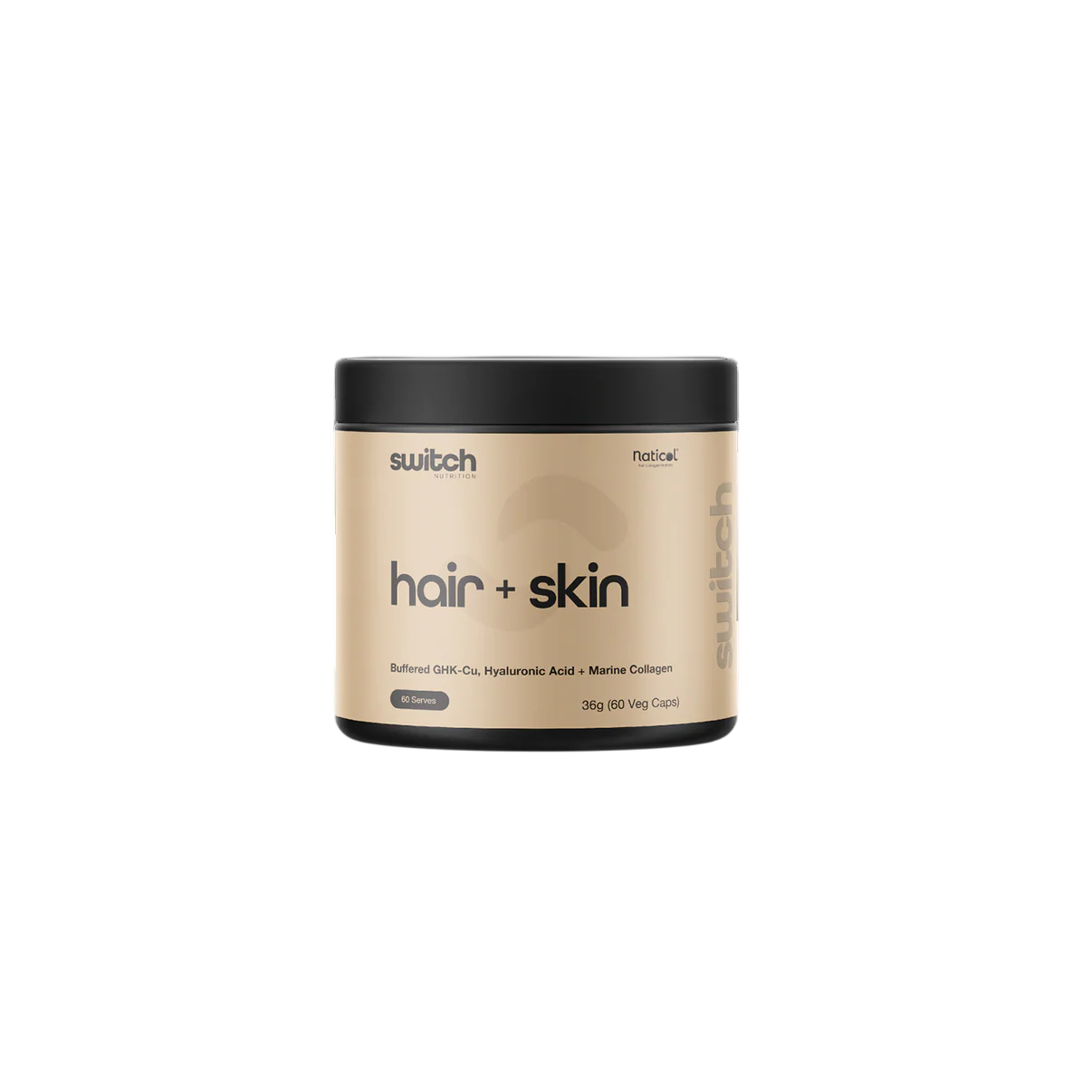
Hair & Skin
Marine collagen + hyaluronic acid + GHK-Cu copper peptide — a hair, skin and connective-tissue stack that targets the collagen drop that comes with the oestrogen drop. One capsule daily.
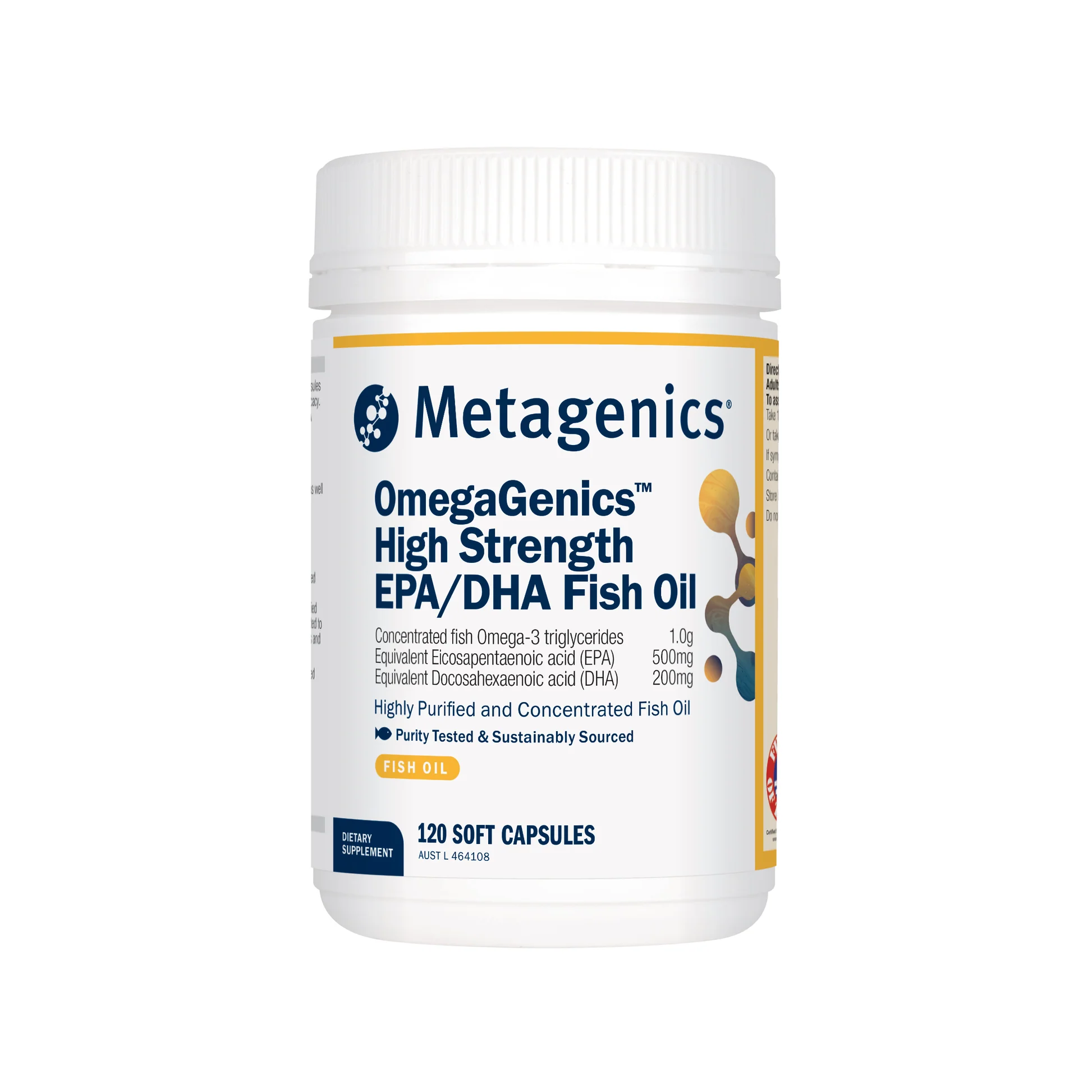
OmegaGenics High Strength EPA/DHA
Clinical-grade high-strength EPA/DHA fish oil from cold-water fish under eco-fishing standards. Supports cardiovascular and cognitive function in midlife. Two capsules daily with food.
For active women — pilates, walking, strength training — KURK Sport (curcumin + electrolytes) covers post-session recovery in one sachet. ATP Plant Omegas is the algae-based vegan EPA/DHA option.
Longevity foundations
The "non-negotiable" tier: vitamin D3+K2, omega-3, creatine. Vitamin D3 deficiency is common in AU women through winter — D3+K2 (MK-7 form) is the absorption-aware combination. NAC supports glutathione production. Niacinamide supports skin and joint outcomes.
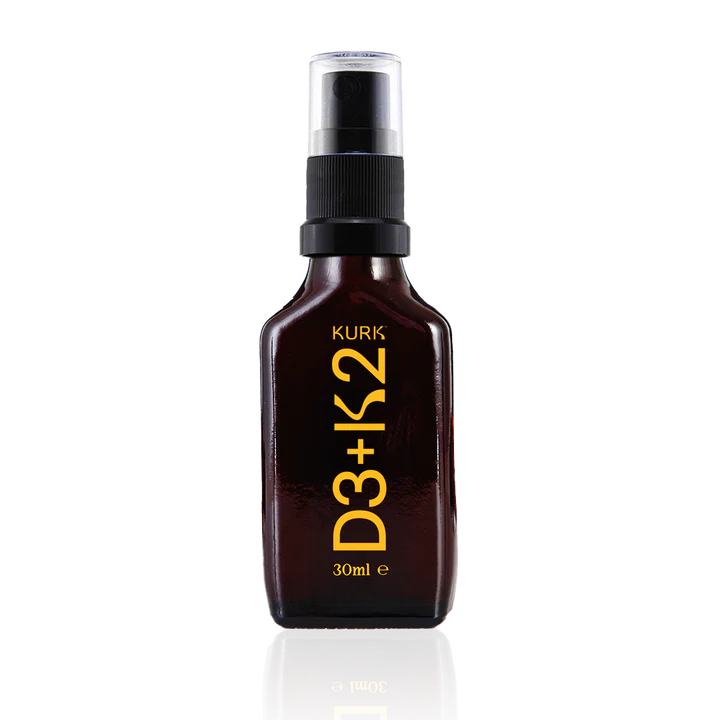
Vitamin D3+K2
Vitamin D3 + K2 (MK-7 form) as an oral spray — the easiest delivery for AU women who run low through winter. Three sprays a day under the tongue.
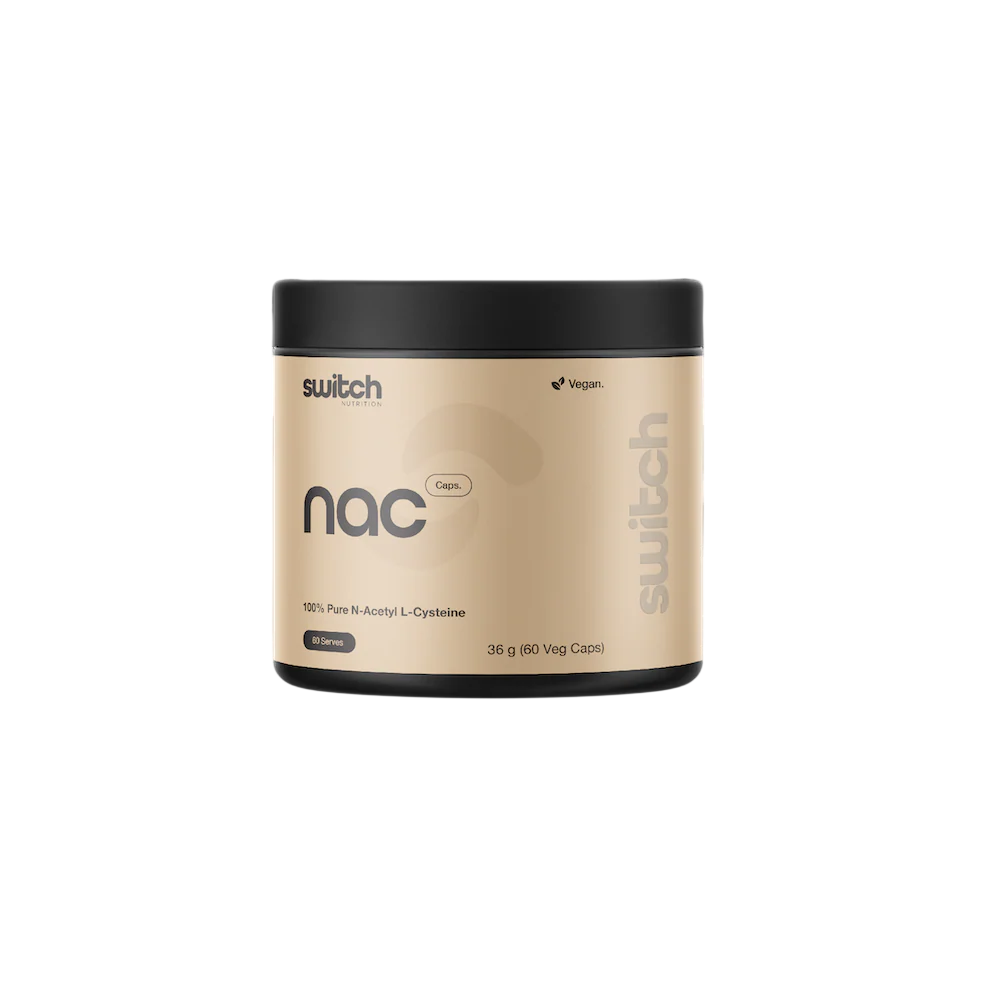
NAC Capsules
Pure N-acetyl-cysteine — a glutathione precursor studied for liver, lung and oxidative-stress support. One capsule daily with food.
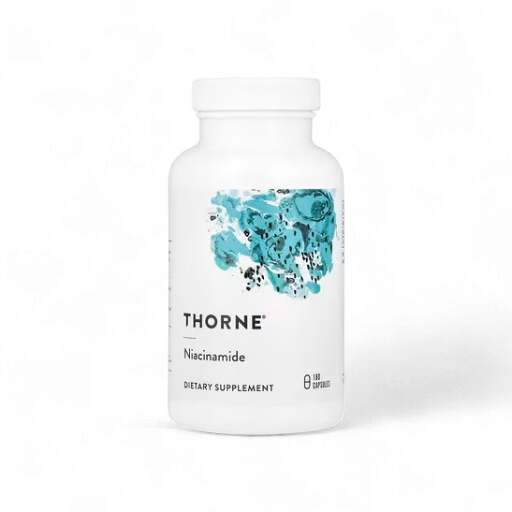
Thorne Niacinamide
A non-flushing form of vitamin B3 (niacinamide) traditionally used to support skin, joints and restful sleep. One capsule with breakfast.
How to actually buy this — without spending $1,000
Working maths on the curated stack:
- Month 1 — sleep + magnesium + creatine foundations: Switch Sleep+ Capsules ($70) + Switch Mag3 ($50) + ATP Creapure ($77) = $197.
- Month 2 — add hormone tier: Switch Estro ($90) + Switch DIM ($60) + SuperFeast Ashwagandha ($57) = $207 added.
- Month 3 — add joint + skin tier: KURK Liquid Curcumin ($79) + Switch Hair & Skin ($70) + Metagenics OmegaGenics ($78) = $227 added.
- Foundations refresh: most magnesium, creatine and omega-3 SKUs run 30–60 days. Plan ~$200/month ongoing across the full 21-product stack.
What we deliberately left out
- Black cohosh — TGA requires a hepatotoxicity warning on AU products (advisory note 2007, still active); evidence for vasomotor symptoms is mixed.
- Soy isoflavones — TGA-restricted advertising claims; evidence is mixed and insufficient to anchor a stack.
- Generic multivitamins — most over-supply some nutrients you don't need and under-supply ones you do.
- "Fat burners" and detox blends — pseudoscience in midlife marketing.
The Australasian Menopause Society's Complementary Medicines fact sheet is the canonical AU clinician position on supplements — recommended reading.
References
- Mah & Pitre, 2021. Oral magnesium supplementation for insomnia in older adults: a systematic review and meta-analysis. BMC Complementary Medicine and Therapies. PMID 33865376.
- Mason et al., 2024. Magnesium bisglycinate supplementation in healthy adults reporting poor sleep: a randomized, placebo-controlled trial. Nature and Science of Sleep. PMC12412596.
- 2025 RCT (CONCRET-MENOPA). The effects of 8-week creatine HCL on cognition, clinical outcomes and brain creatine levels in perimenopausal and menopausal women. Journal of the American Nutrition Association. PMID 40854087.
- Hall et al., 2025. Impact of creatine supplementation on menopausal women's body composition, cognition, oestrogen, strength and sleep. PMC12291186.
- Salve et al., 2019. Adaptogenic and anxiolytic effects of ashwagandha root extract in healthy adults: a randomized, double-blind, placebo-controlled study. PMID 34553463.
- NIH Office of Dietary Supplements. Ashwagandha Health Professional Fact Sheet. ods.od.nih.gov.
- Australasian Menopause Society. Complementary Medicines and Therapies fact sheet. menopause.org.au.
- TGA. Therapeutic Goods (Permissible Indications) Determination (No. 1) 2025. tga.gov.au.
Editorial note: we use "supports / may help / is associated with" language by editorial discipline — never "treats / cures / prevents". Content is for general information only and is not medical advice. Always consult your GP or a qualified Australian practitioner before starting any new supplement, particularly if you are taking prescription medication, considering MHT, or have a history of hormone-sensitive cancer. Last refreshed 7 August 2026.